Source Code : Simple Sort for RMS
Java Is Open Source Programming Language You Can Download From Java and Java Libraries From http://www.oracle.com.
Click Here to download
We provide this code related to title for you to solve your developing problem easily. Libraries which is import in this program you can download from http://www.oracle.com.
Click Here or search from google with Libraries Name you get jar file related it
Simple Sort for RMS
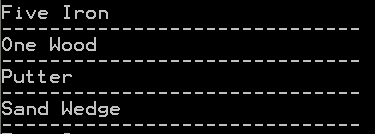
/*--------------------------------------------------
* SimpleSort.java
*
* No GUI interface, all output is to the console
*
* Example from the book:     Core J2ME Technology
* Copyright John W. Muchow   http://www.CoreJ2ME.com
* You may use/modify for any non-commercial purpose
*-------------------------------------------------*/
import java.io.*;
import javax.microedition.midlet.*;
import javax.microedition.rms.*;

public class SimpleSort extends MIDlet
{
  private RecordStore rs = null;
  static final String REC_STORE = "db_1";

  public SimpleSort()
  {
    openRecStore();   // Create the record store

    // Write a few records
    writeRecord("Sand Wedge");
    writeRecord("One Wood");
    writeRecord("Putter");
    writeRecord("Five Iron");

    // Read back with enumerator, sorting the results
    readRecords();

    closeRecStore();  // Close record store
    deleteRecStore(); // Remove the record store
  }

  public void destroyApp( boolean unconditional )
  {
  }

  public void startApp()
  {
    // There is no user interface, go ahead and shutdown
    destroyApp(false);
    notifyDestroyed();
  }

  public void pauseApp()
  {
  }

  public void openRecStore()
  {
    try
    {
      // The second parameter indicates that the record store
      // should be created if it does not exist
      rs = RecordStore.openRecordStore(REC_STORE, true );
    }
    catch (Exception e)
    {
      db(e.toString());
    }
  }

  public void closeRecStore()
  {
    try
    {
      rs.closeRecordStore();
    }
    catch (Exception e)
    {
      db(e.toString());
    }
  }

  public void deleteRecStore()
  {
    if (RecordStore.listRecordStores() != null)
    {
      try
      {
        RecordStore.deleteRecordStore(REC_STORE);
      }
      catch (Exception e)
      {
        db(e.toString());
      }
    }
  }

  public void writeRecord(String str)
  {
    byte[] rec = str.getBytes();

    try
    {
      rs.addRecord(rec, 0, rec.length);
    }
    catch (Exception e)
    {
      db(e.toString());
    }
  }

  public void readRecords()
  {
    try
    {
      if (rs.getNumRecords() > 0)
      {
        Comparator comp = new Comparator();

        RecordEnumeration re = rs.enumerateRecords(null, comp, false);
        while (re.hasNextElement())
        {
          // Calls String constructor that takes an array of bytes as input
          String str = new String(re.nextRecord());

          System.out.println(str);
          System.out.println("------------------------------");

        }
      }
    }
    catch (Exception e)
    {
      db(e.toString());
    }
  }

  /*--------------------------------------------------
  * Simple message to console for debug/errors
  * When used with Exceptions we should handle the
  * error in a more appropriate manner.
  *-------------------------------------------------*/
  private void db(String str)
  {
    System.err.println("Msg: " + str);
  }
}


/*--------------------------------------------------
* Compares two records to determine sort order
*-------------------------------------------------*/
class Comparator implements RecordComparator
{
  public int compare(byte[] rec1, byte[] rec2)
  {
    String str1 = new String(rec1), str2 = new String(rec2);

    int result = str1.compareTo(str2);
    if (result == 0)
      return RecordComparator.EQUIVALENT;
    else if (result < 0)
      return RecordComparator.PRECEDES;
    else
      return RecordComparator.FOLLOWS;
  }
}
Thank with us